


Happy Tunes - Earn & Play
4.329.00 Reviews
App Specs
- Version
- 1.0.1
- Updated On
- License
- Free
- Downloads
- 100,000+
- Developer
- FortuneView Developer
- Categories
- Music & Audio
- Platform
- Android
Screenshots
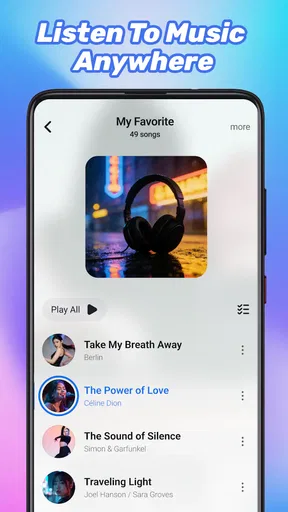
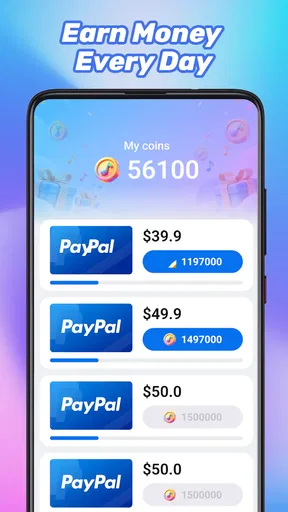
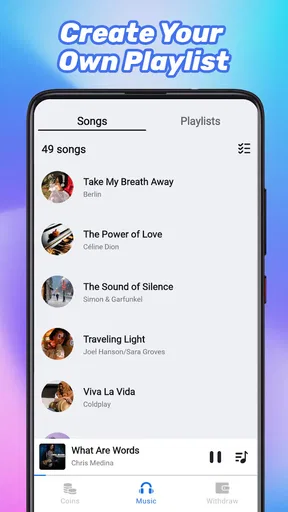
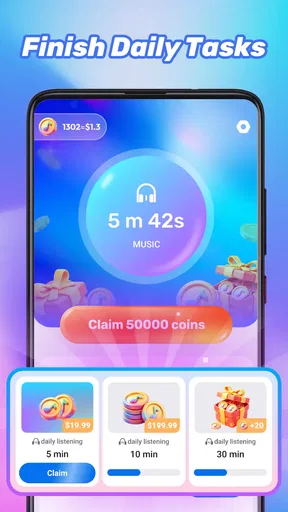
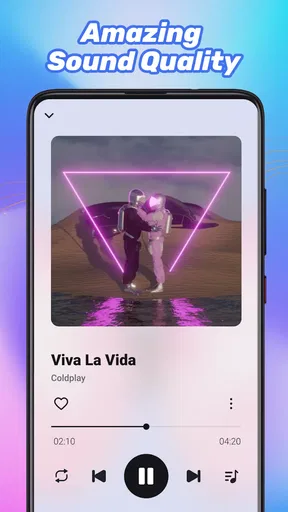
 Analysis by AppCompare
I approached Happy Tunes - Earn & Play as a small, practical music companion rather than as a full production studio. That distinction matters. Its store summary presents it as a way to take music with you, while the short description keeps the idea simple: “Happy Tunes.” In daily use, I found that this simplicity is both its appeal and its main limitation. It is easy to approach when I want a light audio experience, but it does not replace a serious music editor, streaming service, or publishing workspace.
Developed by FortuneView Developer, this free Music & Audio app is aimed at an Everyone audience. It runs on Android devices using version 7.0 or later, so it is accessible to people using older phones as well as newer hardware. The current version is 1.0.1, and the app has reached over 100 thousand installs. Its average rating sits at 4.2 from more than 600 ratings, with 29 written reviews, which suggests a generally positive reception while still leaving plenty of room for individual experiences to differ.
From a quick idea to a usable music routine
I find that a small music routine works best when it has a clear purpose: a brief reset, a quiet start to a task, or a cue to begin creating. This section looks at how I’d turn a casual listening moment into something repeatable without expecting the app to do more than it does. From there, I’ll focus on the practical choices that matter when creative work moves beyond listening.
A gentle starting point for casual listening
The best way to approach this app is with a modest goal. I would open it when I wanted something cheerful and uncomplicated, not when I needed to build a layered track, correct a vocal recording, or prepare a release for a music platform. That expectation made the experience more comfortable. Instead of searching for professional controls, I looked at whether the app could fit naturally into small moments: a short break, a commute, or a few minutes of background audio while doing routine work.
That makes it suitable for users who prefer a low-pressure music app. Someone who finds larger audio platforms crowded with recommendations, subscriptions, playlists, and account-driven features may appreciate a more focused starting point. The trade-off is that a simpler experience gives me fewer ways to shape the listening session. If I want deep discovery tools, carefully organized libraries, or advanced personalization, a dedicated streaming service is likely the stronger choice.
I also think the app works best when treated as part of a creative warm-up. Before writing lyrics, planning a video, or sketching an idea, I can use a light music setting to establish a mood. It is not a replacement for a digital audio workstation, but it can help create a repeatable beginning to a small creative routine. That is a useful role, especially for people who struggle to start and want an uncomplicated audio cue.
How I would use it during an ordinary day
Imagine preparing breakfast before leaving for work. I do not need to edit anything or manage a complicated queue; I simply want music available without turning the moment into a technical task. Happy Tunes fits that kind of use better than an editor with a dense interface. Later, during a short writing session, I could return to the same app for a little atmosphere, then close it when I need concentration.
Worth Reading Before You Choose

Flipboard Shows What News Apps Must Do Beyond the Feed

Switching to Android Auto Means Rethinking Your Driving Routine

Google Calendar Makes a Crowded Week Easier to Manage

Ludo King Makes the Most of the Minutes Between Plans

Baby Panda World Brings Quick Play to Modern Phones, but Its Game Library Feels Busy

ESPN’s Live Game View Makes Following Close Games Easier
For a student, the same pattern could work between study blocks. For a casual creator, it could provide a quick mood-setting step before recording a short social video. For a family member who wants straightforward audio on an older Android phone, the minimum operating system makes it more approachable than some newer apps that exclude older devices.
My practical tip is to decide what you want from the session before opening it. If the goal is background listening, keep the interaction minimal. If the goal is to support a creative task, use the music as a timed starting ritual rather than expecting the app itself to produce the finished work. That small change in expectation prevents the biggest disappointment: looking for production features that this lightweight app is not designed to provide.
Where the creative starting point falls short
The app’s approachable concept does not automatically make it the right tool for every listener. I would skip it if my priority were lossless audio management, detailed playlist control, collaborative creation, multitrack recording, or a polished publishing workflow. Those tasks need specialized tools with clearer control over files, edits, metadata, and delivery.
I would also be cautious about choosing it as my only music app. A compact audio companion can be pleasant, but serious listening habits often involve searching, saving, sorting, downloading, and moving between devices. When those needs become central, the usual alternatives offer a deeper ecosystem. Happy Tunes makes more sense as a small part of a routine than as the complete answer to every music-related job.
Making, adjusting, and handing off creative work
When an idea starts taking shape, the useful question is where listening ends and production begins. I’ll look at how I’d keep those stages separate, so a simple music break can support a project without being mistaken for editing or delivery. That distinction makes it easier to choose the right tool when a draft needs changes or must be passed along.
What the making process really looks like
There is an important difference between using an app to enjoy music and using one to make music. Happy Tunes belongs much closer to the first category. I would not describe it as a composition environment or an editing desk. It does not give me the kind of clearly defined production path I would expect for recording an instrument, arranging sections, applying effects, or preparing a master file.
That does not make it useless for creators. It simply changes the role it can play. I can use it before production, during brainstorming, or as a way to create a positive atmosphere while I work elsewhere. In that sense, the app supports the beginning of a process rather than handling the entire process. For a creator who already has editing software, this can be a pleasant companion; for someone seeking one app from first idea to finished song, it will feel incomplete.
A useful workflow is to separate inspiration from construction. I might spend a few minutes with Happy Tunes to decide whether an idea should feel bright, relaxed, or playful. Then I would move to a dedicated editor for the actual recording and arrangement. This separation keeps the lightweight app enjoyable and avoids forcing it into a professional role it was not built to fill.
Iteration needs a different tool
Creative work rarely ends with the first attempt. I usually need to compare versions, trim sections, adjust levels, rename files, and listen critically on more than one device. That is where the limitations of a simple music app become clearer. Happy Tunes can support the mood around iteration, but it is not the place I would expect to perform detailed revisions.
My advice is to use it as a reset between edits. After working on a demanding audio project, a short, uncomplicated listening session can help me step away from the technical details. Returning with fresh ears is often more valuable than making endless changes in one sitting. This is a non-obvious strength: the app may contribute to a healthier creative rhythm even when it is not directly changing the audio.
However, I would not rely on it to compare exported drafts or check professional balance. For that, I would use an editor with visible waveforms, precise controls, and dependable file handling. A streaming-focused option may also be better when my main requirement is discovering reference tracks and organizing them into research playlists. The right choice depends on whether I am trying to feel a mood, study a song, or modify my own material.
Export, publishing, and handoff
Creators should be especially careful about the handoff stage. Happy Tunes is not the app I would choose to prepare a finished track for distribution, send stems to a collaborator, or manage release details. Publishing usually requires control over audio formats, artwork, titles, credits, and platform requirements. A lightweight music companion does not remove those responsibilities.
My recommended workflow is straightforward: use Happy Tunes for the initial mood or listening break, create and revise the actual work in a dedicated audio application, and handle delivery through the service required by the intended destination. Keeping those stages separate makes it easier to know where the authoritative copy of a project lives. It also reduces the risk of confusing a listening session with a completed handoff.
This matters even for small projects. A person making a short podcast intro, a simple video soundtrack, or a personal recording may assume that any music app can manage the final file. I would not make that assumption here. Before choosing it for a delivery task, I would confirm that the separate production tool can save the required format and preserve the project safely. Happy Tunes is better viewed as the front porch of the workflow, not the shipping department.
Who will enjoy it most
I see the strongest fit among casual listeners, people who want a positive audio break, and beginner creators who need a simple way to begin a session. Its free price removes a financial barrier, and the Everyone rating makes it suitable for a broad audience. The older Android compatibility is another practical advantage for households that do not replace phones frequently.
It may also suit someone who wants to test a music habit before investing time in a more complex service. A user can discover whether a lightweight audio routine helps with commuting, studying, or creative preparation. If that routine grows into a need for playlists, offline organization, editing, or publishing, moving to a more specialized app later is sensible rather than a failure.
Who should choose an alternative
I would point professional musicians, podcasters, DJs, and serious collectors toward more focused tools. A producer needs editing depth. A podcaster needs recording and cleanup. A DJ needs cueing and library management. A collector needs reliable organization and metadata. A listener who wants a huge catalog and sophisticated recommendations may be happier with an established streaming platform.
That comparison is not meant to diminish Happy Tunes. It clarifies its place. The app’s value comes from being approachable, not from competing feature by feature with mature creative suites. If I need fewer decisions and a quick audio moment, its narrow purpose is helpful. If I need control, repeatability, and a documented path from source material to published output, I would choose something else.
My final creator verdict
After looking at it as both a listener and a creator, I see Happy Tunes - Earn & Play as a friendly entry point for simple music moments, not a complete creative production system. I like the low-pressure idea and the fact that it can fit around a routine without demanding professional knowledge. The free access and broad device compatibility make it easy to try, particularly for casual users and beginners.
The honest limitation is that its usefulness decreases once the job becomes technical. I would not depend on it for editing, version control, export preparation, collaboration, or publishing. Those stages belong in tools designed specifically for them. The smartest approach is to let this app handle the atmosphere and motivation while another application handles the actual project.
If a friend asked me whether to install it, I would say yes when they want a simple, cheerful music companion and understand its modest scope. I would recommend looking elsewhere when they need a full library, advanced listening controls, or a complete path from musical idea to delivered file. Its real strength is making the first step feel easy; its real weakness is stopping well before the finished creative handoff.
Pros
- Simple interface makes games and rewards easy to navigate.
- Offers a variety of casual games for short entertainment sessions.
- Reward progress can encourage regular play.
- Suitable for users looking for a low-pressure gaming experience.
- Free to download and try without an upfront purchase.
Cons
- Rewards may require significant time before reaching the payout threshold.
- Availability of games and offers can vary by region.
- Frequent ads may interrupt gameplay and reduce enjoyment.
- Earnings are likely modest compared with the time invested.
- Some features may require account registration and personal information.
FAQs for Happy Tunes - Earn & Play
What is Happy Tunes - Earn & Play, and how does it work?
Happy Tunes - Earn & Play is an entertainment and rewards app that combines casual music-related activities with opportunities to collect in-app points or rewards. After installing it, users generally complete the available tasks, play or interact with content, and monitor their progress through the app’s rewards section. The exact activities, earning rates, and available redemption options may vary depending on your location and the current version of the app.
Can I really earn money or gift cards with Happy Tunes - Earn & Play?
The app may offer points, bonuses, or other rewards for completing eligible activities, but it should not be treated as a guaranteed source of income. Rewards depend on factors such as task availability, user eligibility, geographic location, and the app’s current terms. Before spending significant time, check the withdrawal requirements, minimum redemption threshold, supported payment methods, and whether rewards are available in your country.
Is Happy Tunes - Earn & Play free to download and use?
Happy Tunes - Earn & Play can generally be downloaded without an upfront purchase, although the experience may include advertising, optional purchases, or other monetization features. A free download does not necessarily mean every function is unlimited or completely ad-free. Review the app-store listing and permission requests carefully, and avoid entering payment details unless you clearly understand what a purchase provides and whether it renews automatically.
What personal information and permissions does the app require?
Before using Happy Tunes - Earn & Play, review the permissions requested during installation and the privacy information provided by the developer. Depending on its features, the app may request access related to advertising identifiers, device information, usage activity, or notifications. Only grant permissions that appear necessary for the functions you want to use. If the app requests sensitive access that seems unrelated to rewards or entertainment, consider declining it or choosing another application.
Are there any important limitations or risks I should know about before downloading?
Users should remember that reward applications can change their earning rules, task availability, payout methods, or eligibility requirements without much notice. Some activities may generate only small returns and can involve frequent advertisements or waiting periods. Keep the app updated, read its terms, and never share passwords, banking credentials, or unnecessary identity documents. Also verify that the app is available through the official Google Play Store or Apple App Store before installing it.


